How Much Does EV Charger Installation Cost in 2026?

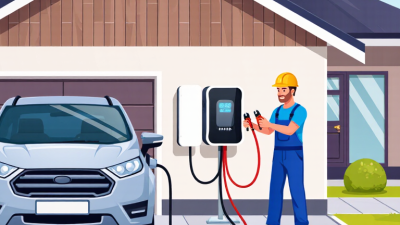
Ev Charger Installation Cost is not just the price on a charger’s box. The final bill can include the charging unit, electrical work, labor, and any required permits. A garage outlet close to the electrical panel may need little work. A long cable run or an undersized panel can change the estimate quickly. Small details matter.

Demand makes clear, practical pricing more important. The International Energy Agency’s Global EV Outlook 2025 reports that electric car sales exceeded 17 million in 2024, representing more than one in five cars sold worldwide. That growth does not make every home installation alike. The U.S. Department of Energy’s Alternative Fuels Data Center explains that equipment and installation costs vary with the charger type and site conditions. In other words, a single nationwide price can be misleading.

This guide breaks down the likely cost components for a 2026 home installation and shows what to ask an electrician before accepting a quote. It also considers upgrades, labor, and location-specific differences, so you can compare estimates on equal terms. Expect a range, not a perfect number. Even a careful estimate may miss a hidden wiring issue behind the garage wall. That is worth remembering.
How Much Does EV Charger Installation Cost in 2026?

2026 Home EV Charger Installation Cost: EnergySage’s $800–$2,500 Range

For a 2026 home EV charger installation, the $800–$2,500 range is a useful planning estimate, not a fixed quote. The lower end may fit a garage with a nearby electrical panel and enough capacity. A longer cable route, wall repairs, or panel upgrades can push the bill higher. A clean-looking installation can hide costly electrical work.

The U.S. Department of Energy’s Alternative Fuels Data Center says Level 2 charging typically adds about 10–20 miles of range per hour. That faster charging usually requires a 240-volt circuit, so an electrician must check the panel, wiring path, and charger location. Ask for labor, materials, permits, and any panel work as separate line items. Details matter.

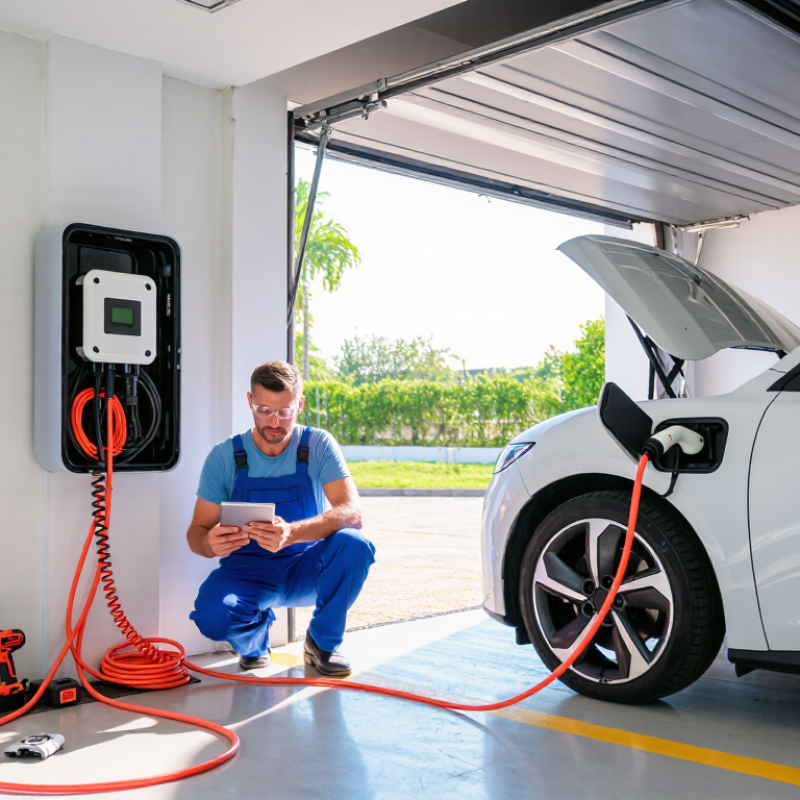
I would not treat the range’s midpoint as a promise. Two houses on the same street can need different work. A charger mounted beside the panel may be straightforward; one across a finished basement may require extra cable and labor. Get written estimates based on an on-site assessment, and ask what could change the price. I’d also leave room in the budget for surprises; old wiring is easy to overlook.

Level 1 vs. Level 2: DOE Rates Level 2 Charging at 10–20 Miles per Hour

For a home charger, the key difference is how quickly each level restores driving range. The U.S. Department of Energy’s Alternative Fuels Data Center rates Level 1 charging at about 2–5 miles per hour, versus 10–20 miles per hour for Level 2. That gap matters on an ordinary weekday. A car returning with a low battery may gain only a few dozen miles overnight on a standard outlet; a Level 2 unit can often replenish a typical day’s driving in the same parking spot. That is a useful estimate, not a promise. Vehicle efficiency, battery temperature, and the charger’s power all affect actual results.

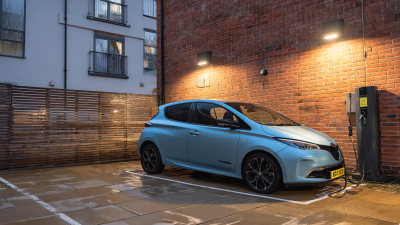
The installation bill depends less on the charger’s label than on the electrical work behind the garage wall. A short cable run beside an available panel may be straightforward; a distant parking space, panel upgrade, or trench across a driveway can raise labor and material costs. The DOE’s Alternative Fuels Data Center recommends checking equipment and installation needs together, rather than treating the device price as the full project cost. The Federal Highway Administration’s 2022 National Household Travel Survey offers a useful driving-context reference: many households make daily trips that Level 2 charging can replace overnight. Ask an electrician to inspect panel capacity and provide an itemized estimate. Small detail, big difference: where the car parks.

How Panel Capacity, Wiring Distance, Permits, and Labor Affect Installation Costs

A 2026 home EV charger quote depends less on the charger itself than on the house behind it. The U.S. Department of Energy’s Alternative Fuels Data Center puts Level 2 charging equipment at roughly $500–$4,000, before installation. If the electrical panel has spare capacity, an electrician may be able to add a dedicated circuit without replacing it. If it is already near its load limit, a service or panel upgrade can add substantial cost. A load calculation—not just counting empty breaker spaces—shows what the home can safely support. Small detail, big difference.

Wiring distance matters, too. A charger beside the panel may need only a short run; a garage across the house can require more wire, conduit, drilling, and labor. The route matters as much as the feet: finished walls or outdoor trenching take extra work. The U.S. Bureau of Labor Statistics reported a $62,350 median annual wage for electricians in May 2024. That is not a contractor’s hourly rate; it helps explain why extra site hours affect a quote. Ask for labor and materials separately.

Permits and inspections vary by location, so confirm them with the local building department and include fees in the estimate. Request a written scope showing panel work, wire length, surface repairs, and inspection costs. And leave room for surprises. Old wiring can change the plan, even after a careful visit. I would not treat a quick online estimate as a promise.

Commercial DC Fast Chargers: How 50–350 kW Systems Change Project Costs

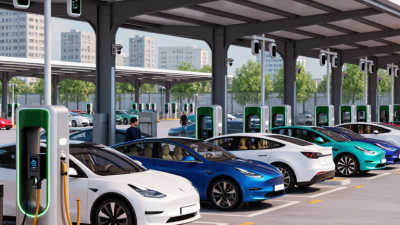
Commercial DC fast-charger costs depend less on the cabinet alone than on what the site needs around it. A 50 kW unit may fit a modest fleet depot, while a 350 kW system can require heavier electrical equipment, larger conductors, and substantial utility capacity. The gap is significant. Yet power rating alone does not set the final bill.

For a 50–350 kW project, major cost drivers include charger hardware, switchgear, transformers, trenching, concrete pads, and grid connection work. A site with spare electrical capacity may avoid major upgrades. A site needing a new transformer or longer utility works can cost far more, even with fewer chargers. Permits, engineering, commissioning, and unexpected underground obstacles also affect the estimate. These details are easy to underestimate.

In 2026, request a site-specific quote that separates equipment, electrical work, civil construction, and utility charges. Compare the cost per usable kilowatt, not just the charger’s purchase price. Ask whether the proposal includes load management and future expansion; a 350 kW connection may be unnecessary if vehicles cannot use that power. I would treat any early budget as provisional. One buried cable can change it.

How Much Does EV Charger Installation Cost in 2026? — Commercial DC Fast Chargers: How 50–350 kW Systems Change Project Costs

Illustrative 2026 U.S. planning estimates in USD for one commercial DC fast-charging system. Actual bids depend on site conditions, local labor and utility requirements.
System Output Charger Equipment Site, Electrical & Installation Work Utility & Grid Upgrades Indicative Installed Project Cost Typical Cost Considerations
50 kW $25,000–$60,000 $15,000–$60,000 $0–$100,000 $40,000–$220,000 Often fits existing electrical capacity; trenching, parking-lot work and long cable runs can raise costs.
150 kW $65,000–$140,000 $25,000–$100,000 $0–$250,000 $90,000–$490,000 Higher power may require larger conductors, switchgear or transformer capacity, especially at constrained sites.
250 kW $110,000–$220,000 $40,000–$140,000 $25,000–$350,000 $175,000–$710,000 Power cabinets, demand management and distribution upgrades can materially affect the budget.
350 kW $160,000–$320,000 $60,000–$180,000 $50,000–$500,000 $270,000–$1,000,000 High-capacity service, transformer or substation work may dominate costs; shared-power layouts can change equipment needs.

Estimates exclude land acquisition, financing, taxes, ongoing network fees and operating costs. Utility upgrade ranges are highly site-specific; the high ends reflect substantial electrical infrastructure work. Incentives and grants are not deducted. Installed-cost totals are the sum of the listed cost categories.

Calculate the Final Price: Equipment, Electrical Work, Utility Fees, and Incentives

A home EV charger estimate in 2026 usually combines equipment and installation, not just the price on the box. A Level 2 charger may cost roughly $400 to $1,200, while a straightforward installation can add $500 to $2,000. These are broad U.S. estimates, not a quote. Not the whole bill. Ask whether the estimate includes wiring, a breaker, permits, and labor.

Electrical work can change the total quickly. A garage near the electrical panel may need only a short cable run. A distant parking space can mean more conduit, drilling, and labor. If the panel lacks capacity, an upgrade may add thousands of dollars. Get an electrician to inspect the panel and route before relying on a low online estimate. A neat-looking quote can still leave out necessary work.

Utility fees may apply when service capacity or metering needs to change. Some utilities charge for upgrades; others offer installation support or time-of-use rates. Check directly, and confirm whether fees are one-time or recurring. Incentives can reduce the net cost, but eligibility, funding, and tax treatment vary by location and installation date. Keep itemized receipts and verify current program rules before budgeting. The less comfortable truth: estimates often change after the wall is opened. A written scope helps show why.