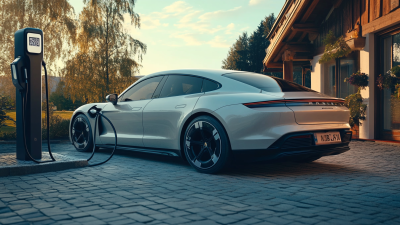
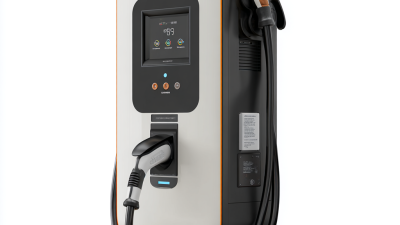
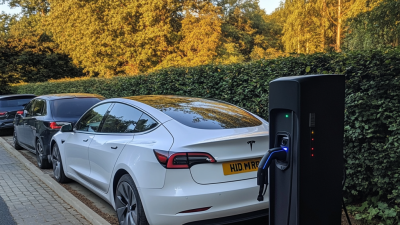
Planning an EV at home begins with a realistic understanding of Ev Charger Installation Cost. In 2026, prices may range from several hundred dollars to several thousand, depending on equipment, labor, permits, and electrical upgrades. A simple installation near an existing panel can look affordable. A detached garage, long cable route, trench, or outdated service panel can change the estimate quickly.
Tom Moloughney, an EV charging specialist and educator, offers a useful reminder: “The right charger is the one that fits your needs.” That idea matters more than choosing the highest-powered unit. A 32-amp charger may suit a driver covering 30 miles daily. A 48-amp model may be more practical for heavy commuting, but only if the home’s electrical system supports it. More power is not always better.
This guide examines charger prices, electrician labor, permits, wiring, panel upgrades, and possible utility incentives. It also separates equipment costs from installation costs, because online estimates often blend them together. That can create false confidence. A quote of $900 may exclude trenching or permit fees. A $3,000 estimate may include major panel work.
Expect variation. Regional labor rates differ. So do utility rules and home layouts. The most reliable estimate comes from a licensed electrician who checks the service panel, cable distance, mounting location, and local requirements. Even then, forecasts can miss hidden problems. This guide aims to make those uncertainties visible before you approve the work.
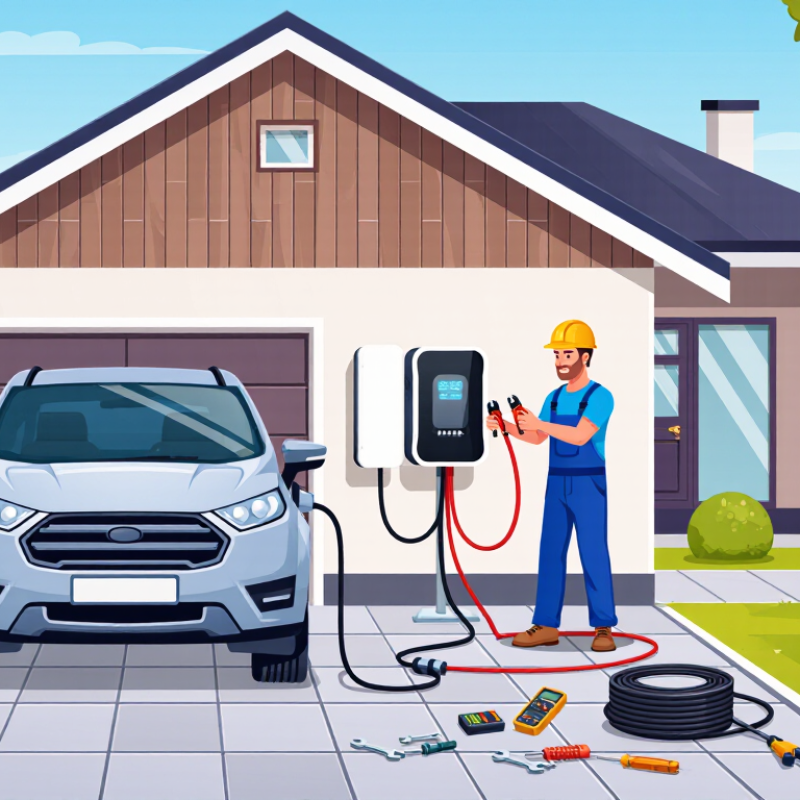
EV charger installation cost in 2026 depends heavily on charger type, electrical capacity, and the distance from your panel. A basic Level 1 charger usually uses a standard outlet, so installation may involve inspection, outlet upgrades, or little electrical work. It is the slowest option, but it can suit drivers covering short daily distances.
Prices vary.
Level 2 equipment typically needs a 240-volt circuit and dedicated protection. Installation often costs more because electricians may upgrade the service panel, route new cable, or drill through masonry. A short garage run may be straightforward, while a 60-foot trench across a driveway can change the quote sharply.
In my experience, the charger is not always the expensive part. Labor and site conditions matter. Permit fees and required inspections also differ by location.
DC fast chargers can deliver rapid charging, yet they demand substantial power, commercial-grade equipment, and specialized electrical work. They are rarely practical for a typical home. Load calculations should come before purchase. A qualified electrician should verify panel capacity, grounding, cable protection, ventilation needs, and local code requirements.
Ask for an itemized estimate showing equipment, labor, trenching, permits, and future-proofing.
One honest warning: online calculators can understate costs when walls are finished or the panel is already full. That uncertainty deserves a site visit.
EV charger installation costs depend less on the charger itself than on the electrical work behind it. The U.S. Department of Energy’s Alternative Fuels Data Center reports residential Level 2 equipment costs commonly range from $500 to $2,000, excluding installation. A 240-volt circuit may add several hundred dollars. Longer cable runs usually cost more.
Distance matters greatly. A garage beside the electrical panel needs less labor than a detached garage requiring trenching. Panel capacity also changes the estimate. Older homes may need a service upgrade, load management, or a dedicated subpanel. Permits and inspections vary by location. NREL’s Electric Vehicle Infrastructure Projection Tool highlights electrical capacity and site conditions as major infrastructure planning factors. Small details become expensive quickly.
Get more than one written quote. Ask each electrician to separate equipment, labor, permits, trenching, panel work, and taxes. In my experience, unclear scope causes more disputes than the charger price. A neat estimate can still be wrong. Contractors may overlook wall repairs or difficult conduit routing. The National Electrical Contractors Association recommends qualified electrical professionals for dedicated charging circuits, especially in older properties. Installation time often ranges from a few hours to several days when upgrades are required. The final price should reflect the home’s wiring, not just the advertised charger.
Home EV charger installation in 2026 usually costs $800–$2,500, including equipment, wiring, permits, and labor. The U.S. Department of Energy’s Alternative Fuels Data Center reports similar residential Level 2 equipment and installation ranges. A short cable run may cost less. An older panel can change everything.
Workplace projects commonly range from $3,000 to $12,000 per Level 2 port. The final bill depends on trenching, parking distance, software, and electrical upgrades. A 2024 National Renewable Energy Laboratory cost analysis shows that civil construction and grid connection can exceed charger hardware costs. Load management may reduce panel upgrades, but it requires careful planning.
Public installations cost more. Level 2 stations often reach $5,000–$15,000 per port, while direct-current fast charging can exceed $50,000 and sometimes approach $150,000. The Federal Highway Administration’s National Electric Vehicle Infrastructure guidance emphasizes transformer capacity, accessibility, networking, and site design. Labor prices also vary sharply by region. These figures are planning estimates, not promises. An experienced installer should inspect service capacity, conduit routes, parking layout, and future charging demand before issuing a fixed 2026 quote. Some projects still underestimate permitting time.
Planning an EV charger starts with your daily driving habits, parking location, and home electrical capacity. A qualified electrician should inspect the main panel before you choose charging equipment. Many homes support a Level 2 charger, but older panels may need upgrades. Typical installation costs range from $700 to $2,500, excluding major service changes. Get two or three written quotes. Compare labor, permits, cable length, and inspection fees.
Measure twice. Then map the cable route from the panel to the parking space. Shorter routes usually reduce labor costs. The electrician should calculate the continuous electrical load, select suitable wiring, and install required protection devices. Outdoor installations need weather-resistant equipment and secure mounting. Underground cable routes may require trenching, conduit, and careful marking before digging. Ask who handles the permit and final inspection. Small omissions can become expensive delays.
After installation, test charging at different times and check for unusual heat, odors, or repeated circuit trips. Keep the installation documents and electrical ratings in an accessible place. A smart charger may provide useful energy data, but its readings are not always perfect. I would not rely on an online calculator alone; real homes contain surprises, especially after renovations. Leave space around the charger, protect the cable from vehicles, and schedule a professional check if performance changes.
A home Level 2 charger usually needs a dedicated 240-volt circuit. The U.S. Department of Energy’s Alternative Fuels Data Center reports equipment costs near $500–$2,000, before installation. Labor, permits, and inspection can add $800–$2,500. A long cable run, wall penetration, or trenching raises the bill quickly. A full electrical panel upgrade may add several thousand dollars. Get a load calculation, not a guess. That matters.
Permit rules differ by city and utility. Some jurisdictions require an electrical permit and final inspection, while others allow streamlined approval. Utility rebates may cover part of the charger or wiring, but eligibility can depend on income, location, installation date, and approved equipment. Federal incentives also change. Verify current rules through official government and utility sources before signing a contract. The cheapest quote may exclude permit fees.
Long-term costs deserve equal attention. For 300 monthly miles, a vehicle using 30 kilowatt-hours per 100 miles consumes about 90 kilowatt-hours. At $0.18 per kilowatt-hour, charging costs roughly $16 monthly. Time-of-use rates can reduce that figure. The U.S. Department of Energy notes that electric vehicles generally need less routine maintenance, while Consumer Reports has found substantially lower maintenance costs over ownership. Tires, insurance, electricity rates, and battery aging still matter. My earlier estimates would have missed those details. That is the uncomfortable part.