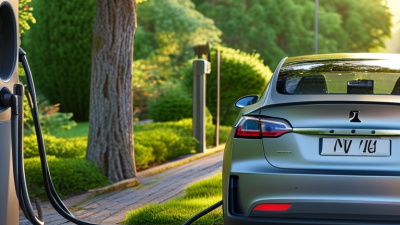
Why Install a Home EV Charging Station?

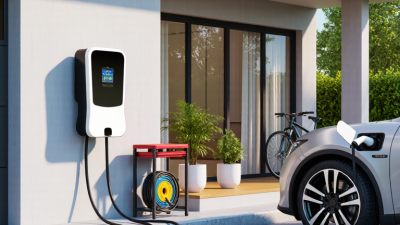
An electric vehicle can make everyday travel quieter and cleaner, but charging still has to fit real life. A Home Ev Charging Station lets many drivers recharge while the car is parked overnight, rather than planning every trip around a public charger. Picture arriving home with a low battery, plugging in beside the garage, and waking up ready for the morning commute. That convenience is the main appeal. It can also make charging more predictable, though actual speed depends on the vehicle, charger, and electrical setup.

Choosing a home charger takes more than picking a plug from a catalog. Drivers should check their vehicle’s connector and charging limits, review where the parking space is, and ask a qualified electrician to assess the home’s wiring and available electrical capacity. Installation needs vary. A charger may require dedicated wiring, and older panels can call for upgrades that affect the total cost. Outdoor locations also need equipment rated for the conditions and a safe cable route that does not cross a walkway. These details are easy to overlook when comparing prices.

For households with suitable parking and regular charging needs, a Home Ev Charging Station may offer welcome control over when and where the car charges. It is not automatically the cheapest or best choice for everyone; public charging access, driving habits, installation costs, and local utility rates all matter. A careful estimate is better than a confident guess. Even then, plans can change once an electrician sees the panel. That is worth remembering.
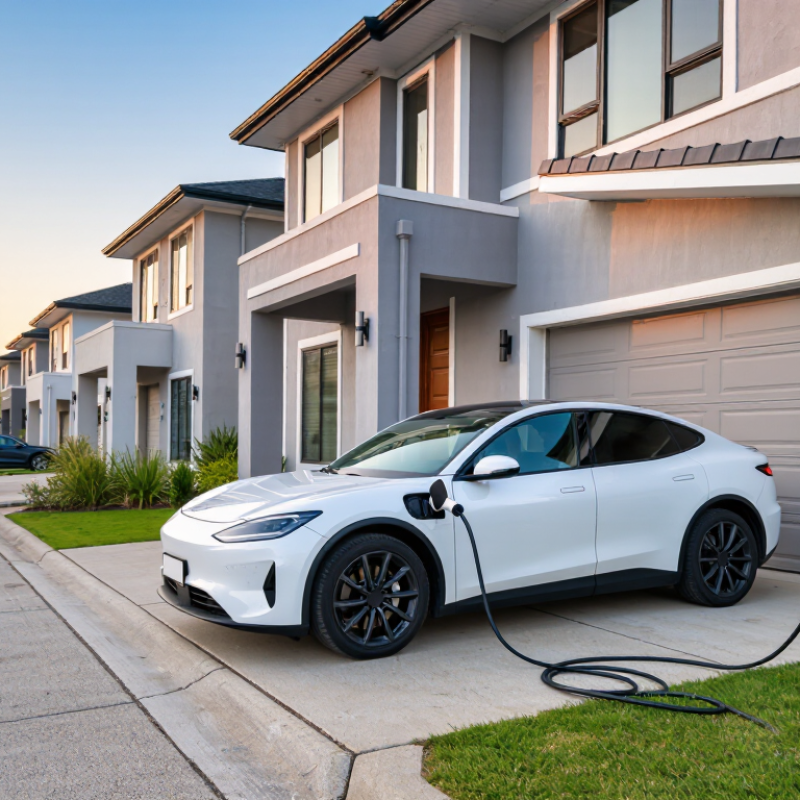
Why Install a Home EV Charging Station?

Why Home Charging Matters: The U.S. Department of Energy Says Most EV Charging Happens at Home

The U.S. Department of Energy says most electric vehicle charging happens at home. That changes the daily experience of owning an EV. Instead of planning every trip around a public charging stop, drivers can plug in beside the house or in a garage. The routine is simple: connect the cable after arriving, then start the next day with added range. Small convenience. Over a week, it can make charging feel less like an errand and more like charging a phone overnight.

A home charging station can provide faster charging than a standard household outlet, though the actual speed depends on the vehicle, equipment, and home electrical system. An electrician can check the panel, wiring, and installation location before work begins. A charger cannot solve every constraint; an older or heavily loaded panel may need attention, which affects cost and timing. It is worth checking those details early. Even a short cable can be awkward if the parking spot is far from the outlet, and outdoor equipment needs a suitable weather-rated setup. Home charging is convenient, but a little planning makes that convenience reliable.

Level 1 vs. Level 2: DOE Rates Level 2 Charging at 10–30 Miles of Range per Hour

A home charging station can turn an ordinary parking space into a dependable place to recharge. The U.S. Department of Energy estimates that Level 2 charging adds about 10–30 miles of range per hour. That range is an estimate, not a promise. The vehicle, charger, temperature, and battery condition all affect the actual rate.

Level 1 charging uses a standard household outlet and may add only a few miles of range per hour. For a short commute, that can be enough when the car stays parked overnight. Longer trips or limited parking time can make it less practical. Level 2 uses a higher-power connection, so several hours at home may restore substantially more driving range. That difference matters on a cold evening when the battery needs conditioning, or after an unexpected detour.

Convenience is tangible: plug in after dinner, then start the morning with a charged vehicle. No extra stop. A home installation does require checking the electrical panel, wiring route, and available capacity with a qualified professional. Costs and charging speeds vary, and an upgrade may not make sense for every household. It is easy to focus on the fastest number and overlook daily habits. Review a typical week of driving before choosing equipment.

Why Install a Home EV Charging Station?

Level 1 charging typically adds about 2–5 miles of driving range per hour, while the U.S. Department of Energy rates Level 2 charging at about 10–30 miles per hour. A Level 2 home station can make overnight charging more practical, especially for drivers with longer daily trips.

These are typical estimated ranges, not guaranteed charging speeds. Actual results vary by vehicle, battery, charger, and conditions.

Sizing a Home Charger: Match Charging Speed to Battery Capacity and Daily Driving

A home charger should fit the way you drive, not just the size of your battery. A 60-kWh battery does not need to be refilled every night if your weekday commute uses only a small portion of it. Estimate your usual daily distance, then check your vehicle’s energy use to approximate how much charge you need back. Leave room for cold weather, detours, and the occasional longer trip.

Charging speed depends on more than the charger’s rated output. Your vehicle’s onboard charging limit and your home’s electrical capacity also matter. A higher-rated unit may not charge faster if the car cannot accept that power.

And a full battery is rarely the everyday target. For many drivers, replacing overnight use during a six-to-ten-hour parking window is enough. That matters.

Think about your real routine: when the car arrives, when it leaves, and whether two vehicles may need charging. A modest charger can work well for predictable driving, while frequent long trips may make faster charging more useful. Ask a qualified electrician to assess the available circuit before choosing equipment. I would avoid sizing around an unusually busy travel week; that can lead to paying for capacity you rarely use. Still, household needs change, so a little flexibility is worth considering.

Planning Installation: Check Electrical Capacity, Permits, and NEC Article 625

Before installing a home EV charging station, check whether your electrical system can support the added load. A panel’s empty breaker spaces do not prove it has spare capacity. An electrician can review the service rating, existing loads, and proposed charger circuit. The result may call for a panel upgrade, or a managed charging setup that limits demand. Details matter.

Permits and inspections depend on local requirements, so ask the building department before work begins. NEC Article 625 addresses electric vehicle power transfer systems and related safety provisions. The locally adopted code edition may differ, and local amendments can affect installation details. A qualified electrician can confirm applicable requirements, select properly rated equipment, and coordinate inspection. Do not rely on a simple online estimate.

Think about the actual route from panel to parking space. A long run through a finished garage wall can add labor and require careful planning around framing, moisture, and physical protection. It is easy to focus on charging speed and overlook these practical costs. I would rather see the capacity calculation explained clearly than assume a standard panel is sufficient. Ask for the proposed circuit rating, permit plan, and any load-management approach in writing. That small step can prevent avoidable surprises.

Comparing Ownership Costs: Weigh Home Electricity Rates Against Public Charging Fees

A home charging station can change the economics of driving an EV, but the key comparison is your actual electricity rate versus the public charger’s posted fee. The U.S. Energy Information Administration reported an average residential electricity price of about 16 cents per kilowatt-hour in 2023. That is a benchmark, not your bill: time-of-use plans and local rates can shift the calculation.

Consider a 12,000-mile year and an EV averaging three miles per kilowatt-hour. Charging 4,000 kilowatt-hours at 16 cents costs about $640 before charging losses. At a public charging fee of 40 cents per kilowatt-hour, the same energy costs about $1,600.

That 40-cent rate is an example, not a national average; the U.S. Department of Energy’s Alternative Fuels Data Center notes that public charging costs vary by station and pricing structure. The gap matters. Frequent fast charging may also add session fees, while home charging can require installation work.

Compare recent utility bills with nearby station prices, then include equipment and electrician costs.

One weak spot in this estimate: real driving efficiency and charging losses vary, so the savings may be smaller than the neat arithmetic suggests.