How Much Does Home Car Charger Installation Cost in 2026?

Home Car Charger Installation can cost far more than the charger’s shelf price suggests. The final bill may include equipment, electrical work, permits, and inspection fees. A garage outlet near the electrical panel could keep wiring costs modest. A charger across the house, or in a detached garage, may need a longer cable route and more labor. Small details matter.

In 2026, a useful estimate starts with the home itself, not a single advertised price. An electrician may check the panel’s available capacity, the cable path, and the charger’s power requirements before quoting. If the panel needs an upgrade, the total can change substantially. Local labor rates and permit rules also vary, so online averages are only a starting point. Get it checked.

This guide explains the main cost factors and what to ask before scheduling work. It also distinguishes the charger’s price from installation expenses, which are easy to confuse when comparing quotes. Ask whether the estimate includes wiring, hardware, permits, and any panel work. Request a written breakdown from a qualified electrician familiar with local requirements. One point deserves caution: a neat estimate can still miss surprises behind a finished wall. That is frustrating, but realistic. A site visit usually gives a more dependable budget than a quick guess based on charger prices alone.
How Much Does Home Car Charger Installation Cost in 2026?

What Home Car Charger Installation Includes in 2026

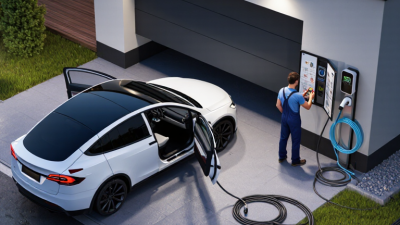
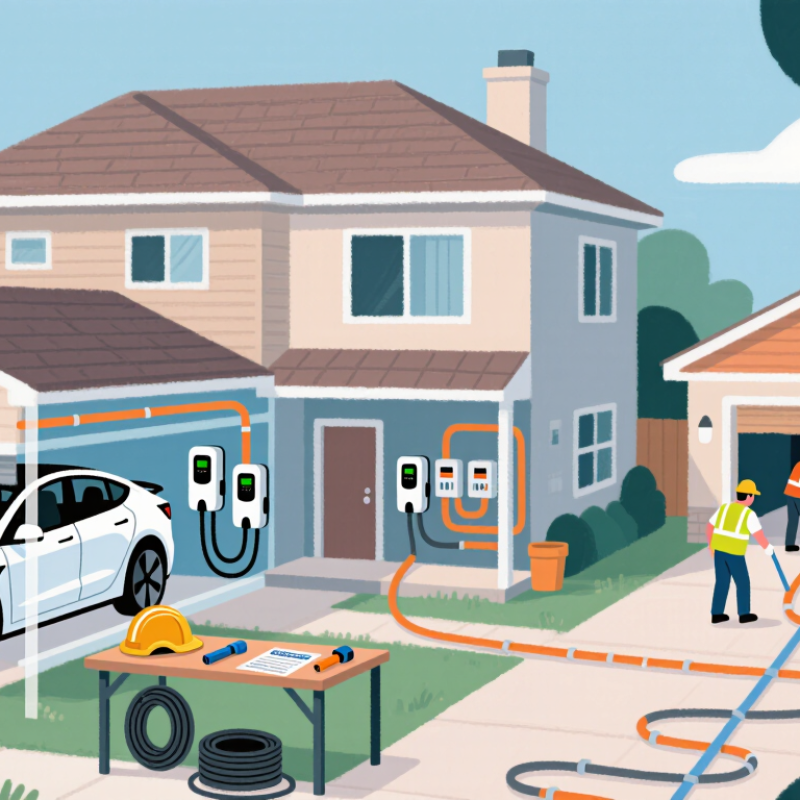
A home car charger installation usually begins with a site assessment, not a drill. The electrician checks the electrical panel, parking location, cable route, and available capacity. A charger near the panel may need less wiring; a detached garage can add conduit and labor.

Small details matter.

The work often includes mounting the charging unit, installing a dedicated circuit, connecting wiring, and testing the system. If the panel has limited capacity, an upgrade or load-management device may be recommended. That can change the price considerably. Ask whether the quote includes materials, permits, inspection fees, and repairs to finished walls or paving. These items are easy to overlook.

Before installation, confirm the charger’s location and cable reach with the installer. A cable that barely reaches the vehicle can become a daily annoyance.

Afterward, the electrician should verify safe operation and explain basic use. Keep the written estimate. It should describe the work, not just list one total. Actual requirements vary by home, so a remote estimate may miss important conditions.

That’s worth remembering.

Typical Costs for Chargers, Labor, and Electrical Upgrades

For a U.S. home in 2026, the charger itself is only part of the bill. The U.S. Department of Energy’s Alternative Fuels Data Center lists Level 2 equipment at about $500–$4,000, with installation ranging from $600 to $12,700. That broad spread matters: a short cable run beside a suitable electrical panel is far simpler than wiring a garage across the house. A site visit beats a guess.

Labor costs rise when the electrician must route conduit through finished walls, add a dedicated circuit, or upgrade an undersized panel. Panel work can add thousands of dollars, depending on capacity and local labor rates. Permits and inspection fees may also appear on the quote. Ask for these as separate line items. That is the catch. Two homes with the same charger can have very different totals, and an online estimate cannot see a crowded breaker panel or a long driveway. A written quote should state the charger price, labor, wiring distance, permit costs, and any upgrade allowance. Leave room for surprises; even careful estimates can miss hidden wiring complications.

How Much Does Home Car Charger Installation Cost in 2026? Typical U.S. Costs for Chargers, Labor, and Electrical Upgrades
Cost item Typical cost (USD) What the estimate generally includes
Level 2 home charger hardware $300–$800 A residential 240-volt charger; features, cable length, and weather protection affect the price.
Basic installation labor $400–$1,200 Electrician labor for a straightforward installation near the electrical panel, with accessible wiring routes.
Permit and inspection $50–$300 Common local permit and inspection charges; requirements and fees vary by jurisdiction.
Longer wiring run or difficult cable route $200–$1,500+ Potential added labor and materials for a distant parking space, finished walls, conduit, or trenching.
Electrical panel or service upgrade $1,500–$4,000+ Possible upgrade when the existing panel or electrical service cannot safely support the new circuit; extensive work may cost more.
Load-management equipment $300–$1,000 Equipment that helps manage available electrical capacity and may avoid a full panel upgrade, if approved for the installation.
Illustrative installed totals
Simple installation $750–$2,300 Charger, straightforward labor, and a typical permit, assuming no major wiring or panel work.
Long wiring run or more complex routing $1,000–$3,800+ A charger and installation with added routing or construction work; the final price depends on distance and site conditions.
Installation requiring a panel upgrade $2,500–$6,300+ A charger, installation, permit, and a typical panel or service upgrade. Extensive electrical work can exceed this range.

Note: These are broad 2026 U.S. planning estimates, not a quote. Local labor rates, home wiring, panel capacity, parking location, and permit rules can change the total. Have a licensed electrician assess the site and confirm applicable local requirements.

How Charger Type and Home Layout Affect the Total Price

In the United States, charger type sets the starting point, but the electrical work often drives the final bill. The Department of Energy’s Alternative Fuels Data Center lists Level 2 equipment at roughly $400–$6,500 and installation at $600–$12,700. These are broad planning ranges, not a 2026 quote. A basic 240-volt setup may fit the lower end when the electrical panel has spare capacity and the parking space is nearby. Higher-power equipment can require a dedicated circuit or panel upgrades. Not a small detail.

Home layout changes labor quickly. An installer may run conduit a few feet from a panel beside the garage; a detached garage can mean a longer route, trenching, and weather-rated equipment. A finished basement or brick wall may add drilling and repair work. The National Electrical Contractors Association’s estimating guidance emphasizes that labor depends on site conditions and installation complexity, so two homes buying the same charger can receive very different bids. Ask contractors to itemize wiring length, permits, panel work, and trenching. Also ask whether a load-management device could avoid a panel upgrade. I’d still want the electrician to verify capacity on site; photos can miss important details.

Permits, Inspections, and Incentives That Change Your Costs

A home charger quote can change after the permit review. The U.S. Department of Energy’s Alternative Fuels Data Center notes that Level 2 charging uses a 240-volt circuit. An electrician must check whether your panel can safely support it. A permit may trigger a load calculation, new wiring, or a panel upgrade. The inspection then checks the finished work, including the breaker, cable, and outdoor protection. Fees and review times vary by city, so ask the building department before scheduling installation. Small detail, real cost.

Incentives can reduce the bill, but eligibility is specific. The IRS has described a federal Section 30C credit of up to $1,000 for qualifying residential installations in eligible census tracts. For a 2026 project, verify current IRS rules and tax-year eligibility rather than assuming the credit remains available. Utility and state rebates may have separate deadlines, equipment requirements, or limited funding. The awkward part: a rebate listed online may already be exhausted. Get written confirmation before counting it against your quote. Keep the permit, inspection approval, and paid invoice; incentive applications may ask for them. A careful estimate should list permit fees, inspection costs, electrical work, and incentives separately. Otherwise, the “installed price” can hide the very charges that move your total.

How to Estimate and Compare Installation Quotes

A 2026 home charger quote should separate equipment, labor, permits, and electrical upgrades. The U.S. Department of Energy’s Alternative Fuels Data Center places Level 2 charging equipment at roughly $500–$700; installation is additional and varies by home. Compare at least three itemized quotes, not just their totals. A $1,400 quote may include a long cable run, while a cheaper bid may exclude panel work or permit fees.

Ask each electrician to inspect the route from your electrical panel to the parking spot. A 30-foot run through an unfinished garage is different from wiring through finished walls or across an outdoor wall. Request the proposed circuit amperage, cable length, labor hours, and any panel or trenching costs in writing. NREL research on charging-infrastructure costs also emphasizes that site conditions can drive substantial price differences. A photo-based estimate can help, but it may miss hidden wiring problems. That assumption is easy to get wrong.

Tips: Check whether the quote includes inspection and permit costs. Confirm who handles them, and ask what could trigger a change order. Compare warranties and schedule, too—not only the final number.