Who Is the Top Wrapping Machine Manufacturer in China?
China’s packaging machinery sector serves food, beverage, pharmaceutical, and household-goods producers. Yet naming one “top” wrapping machine manufacturer requires more than comparing factory size or website claims. Buyers need to examine machine performance under real production conditions: film use, changeover time, seal consistency, line speed, and access to spare parts. Small details matter. A clean, even seal can prevent costly rework; a poorly supported machine can turn a minor fault into hours of downtime.
Market growth provides useful context, not a ready-made winner. Grand View Research estimated the global packaging machinery market at US$55.2 billion in 2023 and forecast a 5.8% compound annual growth rate from 2024 to 2030. That estimate covers many machine types and regions, so it cannot identify China’s leading supplier by itself. The spelling “Wraping Machine” also appears in searches, although “wrapping machine” is standard usage. This comparison therefore looks beyond search visibility, weighing product range, customization, documented technical support, certifications, and customer evidence. The ranking is not perfectly clean: manufacturers often publish different specifications, and comparable independent test results are scarce. A careful buyer should verify claims against a sample run, a detailed quotation, and references from similar production lines. That extra work is worth it.
What Is a Wrapping Machine and How Is It Used?
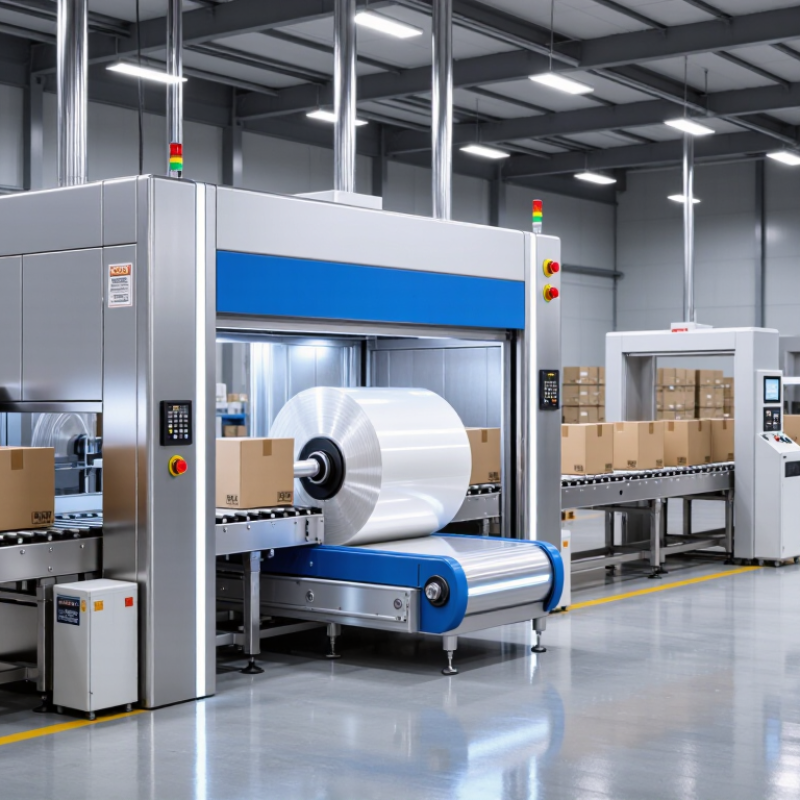
A wrapping machine applies film or paper around a product, bundle, or pallet to protect it and keep it stable during handling. Common types include stretch wrappers for pallet loads, shrink wrappers that use heat to tighten film, and flow wrappers for individual items. The right choice depends on product shape, line speed, and how the package will be stored or shipped. A fragile carton needs different film tension from a heavy pallet. Small details matter.
On a typical line, an operator places or feeds products onto a conveyor. The machine dispenses film, wraps the load, then seals or cuts the material. Some systems also control film tension and turntable speed. These settings affect package stability and film use; they should be checked with real products, not guessed from a brochure. There is a trade-off.
Grand View Research valued the global packaging machinery market at about USD 43.09 billion in 2022 and projected 4.8% annual growth from 2023 to 2030. This figure covers packaging machinery broadly, not wrapping machines alone, so it offers context rather than a precise wrapper-market estimate. For buyers, useful checks include load dimensions, throughput, changeover time, and maintenance access. A machine that runs quickly on paper may need adjustment when product sizes vary. That part is easy to overlook.
How Has China’s Wrapping Machine Industry Developed?
China’s wrapping machine industry has developed alongside the country’s expanding manufacturing base. Early equipment often relied on basic mechanical controls and frequent operator adjustments. As factories sought faster, steadier output, local manufacturers invested in automated feeding, sealing, and film control. The change was gradual, not a sudden leap.
Today, machines commonly combine sensors, programmable controls, and servo-driven movement. These features help operators manage film tension, package size, and line speed with fewer manual corrections. A technician can adjust a touchscreen beside the line, while sensors detect misaligned products before wrapping continues. Small details matter. A loose seal can waste a full batch.
Demand has also pushed equipment toward different formats, from compact tabletop units to integrated production lines. Manufacturers increasingly adapt machines for varied products, packaging materials, and factory layouts. Export activity has encouraged closer attention to documentation, service support, and consistent build quality. Yet progress is uneven. Some buyers still face difficult changeovers, limited local training, or delays in obtaining replacement parts. Automation alone does not solve these problems. The industry’s next gains will depend on reliable components, practical operator support, and designs that are easier to maintain.
What Qualities Define a Leading Chinese Manufacturer?
Who Is the Top Wrapping Machine Manufacturer in China?
What Qualities Define a Leading Chinese Manufacturer?
A leading manufacturer is defined by more than a polished showroom or a low quotation. Look for practical engineering: stable film tension, consistent sealing, accessible controls, and guards that are easy to inspect. Ask how the machine handles your product’s dimensions and daily production rate. A useful supplier will explain limits clearly, not promise that one model fits every line. That honesty matters.
Tips: Request a sample run using your own product and wrapping material. Check seal strength, film use, changeover time, and finished-pack consistency. Ask for a written specification and maintenance schedule. If possible, speak with a customer using a similar setup. Small details show up quickly.
After-sales support is another key quality. Confirm response times, spare-parts availability, training, and remote troubleshooting options before ordering. A strong manufacturer should provide clear manuals and explain routine checks, such as cleaning sealing jaws or inspecting rollers. Still, no checklist guarantees a perfect partnership. I would also assess how the team responds when a test reveals a problem; that conversation can be more revealing than a sales presentation.
Who Is the Top Wrapping Machine Manufacturer in China?
Rather than relying on a brand ranking, assess manufacturers by application fit, build quality, safety compliance, service support, and verifiable performance data.
The global market’s projected growth provides context for the sector, but it does not rank individual manufacturers. Compare shortlisted suppliers using machine trials, documented specifications, relevant certifications, spare-parts availability, and customer references for similar applications.
Source: Fortune Business Insights, “Packaging Machinery Market” (2023 market value and 2032 forecast). Figures are in USD billions.
Which Chinese Manufacturers Are Recognized as Industry Leaders?
Recognized Chinese wrapping-machine manufacturers are not defined by one sales figure or a polished showroom. Industry leaders usually demonstrate repeatable engineering, stable production, and support that continues after installation. There is no single dependable ranking; buyers should compare evidence against their own product and line requirements.
Look for machines tested with materials and pack formats similar to yours. A useful factory acceptance test should show actual changeover time, film tracking, seal consistency, and output under sustained operation. Ask for sample data, maintenance intervals, and spare-parts lead times. Details matter. A fast demonstration on one ideal product may not predict performance across a full shift.
Experienced manufacturers can explain trade-offs, not just quote speed. For example, a compact footprint may limit access for cleaning, while higher throughput can require more precise film control. Check whether controls are clearly documented and whether technicians can support commissioning and operator training. References from comparable production lines are valuable, but verify what was installed and how it performs today. No supplier is perfect; unclear service boundaries or vague test conditions deserve follow-up before a purchase decision.
How Can Buyers Compare Wrapping Machine Manufacturers?
Who Is the Top Wrapping Machine Manufacturer in China?
How Can Buyers Compare Wrapping Machine Manufacturers?
Comparing wrapping machine manufacturers in China starts with the product, not the quotation. A stretch wrapper for palletized cartons needs different controls than a flow wrapper for retail packs. Share sample dimensions, film type, target speed, and shift hours. Ask each supplier to confirm these details in a written specification. This makes quotations easier to compare and exposes missing assumptions.
Look beyond advertised output. Request a factory acceptance test using your actual load, and check whether speed stays stable over repeated cycles. Review frame construction, turntable capacity, sensor placement, safety guards, and cleaning access. Ask about spare-part lead times, remote troubleshooting, operator training, and warranty exclusions. A polished demonstration helps, but it cannot replace service records or a clear parts list. Some buyers overlook this.
Tips: Send identical test materials to shortlisted manufacturers. Compare cycle time, film use, load stability, and reject rate—not just top speed. Ask for references from facilities handling similar package sizes and daily volumes. No machine is perfect; testing may reveal compromises you had not expected.