China Top Adult Electric Tricycle With Cover for Sale?
Choosing a China-made Adult Electric Tricycle With Cover involves more than comparing prices or exterior design. Buyers should examine the frame, motor rating, battery capacity, braking system, and stated load limit. These details help show whether a model suits daily errands, neighborhood travel, or light commercial use. A covered cabin can reduce exposure to wind and light rain, while clear windows and practical doors make entry easier. Still, a cover is not a guarantee of all-weather protection. Check how seams, ventilation, and water drainage are designed.
For a dependable purchase, request a specification sheet and ask how the tricycle is tested before shipment. Confirm the battery type, charging time, expected range, and availability of replacement parts. Actual range can vary with passenger weight, hills, temperature, and driving habits. Numbers need context. Ask for recent product photos or a live demonstration, and review warranty terms in writing. An experienced supplier should answer technical questions clearly and explain what is included in the quoted price, such as the charger, mirrors, or cabin fittings. Some product pages leave these details vague; that is worth questioning. This guide introduces key features, supplier checks, and practical buying considerations for shoppers comparing adult electric tricycles with covers in China. It aims to help readers make a measured choice, not simply chase the lowest offer.
What Is an Adult Electric Tricycle With a Cover?
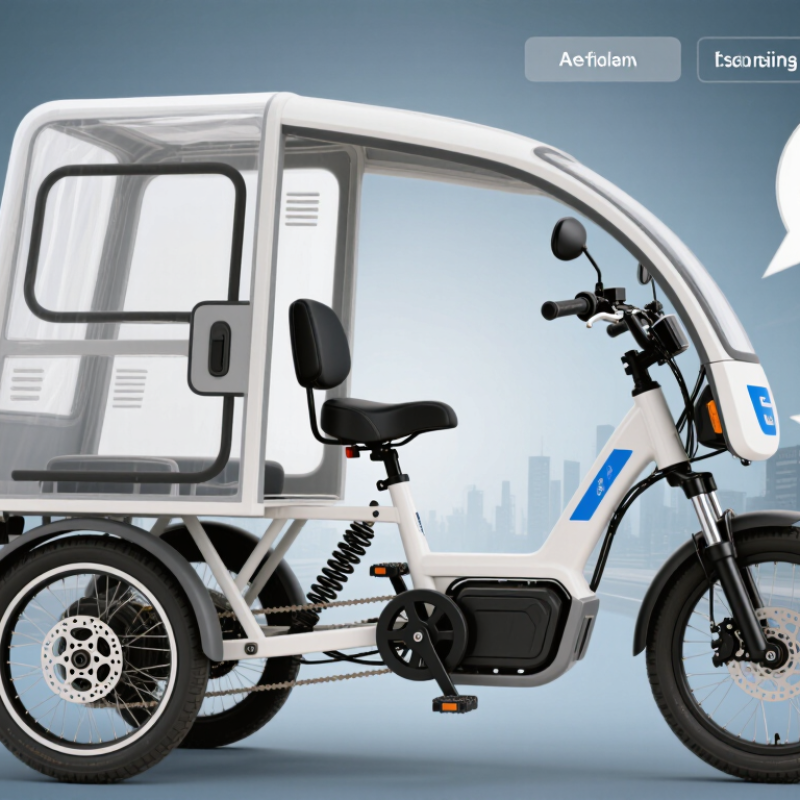
An adult electric tricycle with a cover is a three-wheeled electric cycle fitted with overhead shelter, side panels, or both. The motor assists pedaling, while the third wheel helps the rider balance at low speeds and when stopping. The cover may be a simple canopy or a more enclosed cabin. Designs vary.
Picture a grocery basket behind the seat, a padded saddle, and a roof that shades the rider from midday sun. Some covers include clear windows and roll-down curtains for light rain. They are not necessarily waterproof in heavy weather. A cover can also catch wind, reduce airflow, and make the tricycle harder to store. Small details matter.
For daily errands, check the step-through height, brake feel, turning space, and rated load before choosing a model. Sit on it if possible. A few minutes can reveal whether the handlebar reach feels awkward or the seat is too firm. Ask how the cover attaches and whether it can be removed for cleaning. I would not assume that extra shelter means greater safety; visibility, stable handling, and a careful fit still deserve attention. The best setup depends on the rider, route, and local weather. Even a useful design can feel cumbersome on a narrow path.
What Is an Adult Electric Tricycle With a Cover?
A covered adult electric tricycle is a three-wheeled, electrically assisted vehicle fitted with a canopy or enclosure for added weather protection.
The chart summarizes a typical configuration, not a market-wide specification. Motor power, seating, cover design, range, and load capacity vary by model.
How Its Frame, Motor, Battery, and Cover Work
A dependable adult electric tricycle starts with a frame that carries rider and cargo weight without flexing excessively. Check the welds, axle joints, and step-through area closely. The cover matters too. A high canopy can catch crosswinds like a small sail, while loose side panels may flap near the wheels. Look for clear sightlines, secure fasteners, and drainage that keeps rain from pooling above the seat.
The motor should suit the route, not just advertise a large peak-watt figure. For frequent hills, ask about continuous output, controller limits, and low-speed torque. Battery capacity, measured in watt-hours, gives a better basis for comparing stored energy than voltage alone. The U.S. Department of Energy reports that electric-drive systems deliver about 87–91% of battery energy to the wheels; this is a general vehicle figure, not a tricycle-specific guarantee. The International Energy Agency’s Global EV Outlook 2024 reported a 14% drop in average battery-pack prices during 2023. That market trend does not prove any individual battery’s quality.
Range still depends on load, hills, temperature, and cover design. A heavier frame and wind-catching canopy can shorten a real trip, even with a larger battery. Ask for test results under stated conditions, and test the brakes with the tricycle loaded. Small details count. I would not judge comfort from a showroom ride alone; uneven pavement can expose frame vibration and cover noise quickly.
Key Specifications to Compare When Buying in China
China Top Adult Electric Tricycle With Cover for Sale?
Key Specifications to Compare When Buying in China
When comparing adult electric tricycles with covers, start with rated payload, not appearance. Include the rider, passengers, and cargo in that figure. Ask whether the quoted motor power is continuous or peak power; they describe different performance. Request battery voltage, amp-hour capacity, and watt-hours, since watt-hours make energy comparisons clearer. Small details matter.
BloombergNEF’s 2024 Battery Price Survey reported an average lithium-ion battery-pack price of US$115 per kWh, 20% lower than in 2023. This is a market benchmark, not a direct estimate of a tricycle’s retail price. Use it to ask informed questions about battery capacity and quoted options, not to assume that a cheaper pack is equivalent. Request the cell chemistry, warranty terms, and a written battery specification.
Treat advertised range cautiously. A canopy, passenger load, hills, tire pressure, and cold weather can all affect distance. Ask for test conditions and a realistic range with the intended load. Check brake type, tire size, turning radius, and overall width; a covered vehicle may feel bulky in narrow lanes. I would not rely on one showroom ride alone. Ask for a loaded demonstration, and compare braking and stability on the surfaces you expect to use.
Common Uses and Safety Considerations
A covered adult electric tricycle can suit short neighborhood trips, grocery runs, and travel between nearby work areas. The roof helps shield riders and cargo from light rain and direct sun, while a rear basket can hold shopping bags or a small tool kit. It is useful on familiar routes with smooth pavement and places to stop safely. A cover does not make every trip comfortable; strong wind or heavy rain can still make riding difficult. Visibility matters.
Before each ride, check the brakes, tires, lights, and battery connection. Keep heavier items low and centered in the basket, and stay within the maker’s stated load limit. An uneven load can affect steering, especially on turns. Slow down. Three wheels do not prevent tipping if a rider turns sharply or crosses a sloped driveway too fast. Wear a properly fitted helmet, use bright clothing, and switch on lights when visibility drops. Leave extra space for braking, since added cargo changes how the tricycle responds. I would also test the route without a full load first; small bumps can feel surprisingly different once the basket is packed.
China Top Adult Electric Tricycle With Cover for Sale? - Common Uses and Safety Considerations | Common Use | Typical Situation | Useful Features | Safety Considerations |
| Local commuting | Short trips on familiar urban or suburban roads, such as commuting to nearby shops or services. | Weather cover, lights, mirrors, comfortable seating, and a battery range suited to the round trip. | Check local rules for permitted roads, vehicle classification, speed, and licensing. Use lights in low visibility and allow extra stopping distance on wet or loose surfaces. |
| Grocery and daily errands | Carrying groceries or personal items over relatively short distances. | A secure basket or cargo area, stable frame, and clear view around the cover. | Keep cargo within the vehicle’s stated payload limit. Secure bags, distribute weight evenly, and avoid blocking lights, mirrors, or the rider’s field of vision. |
| Leisure rides | Low-speed rides on suitable paved paths or local streets, where permitted. | A supportive seat, responsive brakes, turn signals where fitted, and a canopy that does not restrict visibility. | Practise starting, turning, and braking in a quiet area first. Slow down before corners; three-wheel layouts can feel less stable during sharp turns or on uneven ground. |
| Mobility assistance | Short journeys for adults who benefit from seated travel, subject to their ability to operate the vehicle safely. | Easy-to-reach controls, stable entry and exit, a comfortable seat, and suitable back support. | Confirm that the rider can steer, brake, and understand traffic conditions. A cover is not a substitute for a helmet or other legally required protective equipment. |
| Worksite or campus transport | Moving a person and light supplies around a private site or large property. | Weather protection, a practical storage area, clear controls, and visible reflectors. | Set site-specific speed limits and routes. Watch for pedestrians, blind corners, ramps, and changing surface conditions; secure the vehicle when parked. |
| Light local deliveries | Carrying small parcels or supplies on short, planned routes. | A rated cargo compartment, weather cover, mirrors, and a battery capacity appropriate to the route and load. | Do not exceed the manufacturer’s total load rating. Recheck braking and steering after loading, and avoid routes with steep slopes or heavy traffic if the vehicle is not suited to them. |
| General checks before riding: Inspect tires, brakes, lights, mirrors, steering, and battery condition. Check the cover is firmly secured and does not obstruct visibility. Follow the vehicle manual and local traffic regulations; actual range, load capacity, and permitted use vary by model and jurisdiction. |
How to Assess Sellers, Warranty, and Maintenance
When comparing sellers of an adult electric tricycle with a cover, ask for more than a product photo and a low price. Request the exact model specification, including battery capacity, rated load, braking system, and cover materials. Check that the seller provides a physical business address and clear contact details. Ask for a written quotation showing delivery, assembly, and any extra charges. A short video of the tricycle’s lights, brakes, and folding or access points can help, but it cannot replace an in-person inspection. Take a slow test ride, if possible. Listen for unusual motor noise and check that the tricycle turns steadily.
Read the warranty before paying. Confirm how long the frame, motor, battery, and electrical components are covered; these may have different terms. Ask who handles repairs and whether replacement parts are available locally. Get the exclusions in writing, especially for water damage, normal wear, and battery capacity loss. I still find maintenance details easy to overlook. Ask how often to check tire pressure, brake adjustment, fasteners, and battery connections. Keep the charger dry, and follow the maker’s charging instructions. A covered tricycle can collect moisture around seams, so inspect the interior after rain. Save receipts and service records; they can make a later warranty claim less confusing.