7 Tips for Choosing an Intermittent Pressure Device?

Choosing an Intermittent Pressure Device requires more than comparing pressure ranges or attractive product features. The clinical purpose matters. Venous thromboembolism affects up to 900,000 people annually in the United States, according to the Centers for Disease Control and Prevention. That figure gives the decision real weight. A poorly matched device may reduce comfort, limit adherence, or complicate routine monitoring.

Evidence should guide the shortlist. NICE guideline NG89 recommends intermittent pneumatic compression for selected hospital patients when pharmacological prevention is unsuitable or insufficient. The recommendation also stresses correct fitting, regular skin checks, and continued use according to clinical need. These details are easy to overlook. They matter at the bedside, where a cuff can shift, tubing can kink, or a patient may quietly remove it. The World Health Organization’s Global Patient Safety Action Plan also emphasizes safe, user-centered care and reliable device practices. Those principles apply here.

A practical evaluation should examine pressure control, chamber sequencing, garment sizing, alarm clarity, cleaning requirements, battery performance, and service support. Ask whether staff can explain the settings without opening a manual. Check whether the device records therapy time. Confirm that replacement sleeves are available. Small details often decide long-term value.

The best choice is not always the most powerful model. It is the device that fits the patient, workflow, and documented clinical objective. Evidence can still be incomplete. Patient comfort remains partly subjective. That is why trials, staff feedback, and reassessment should shape the final decision. These seven tips provide a structured starting point, not a substitute for professional evaluation or the manufacturer’s instructions.
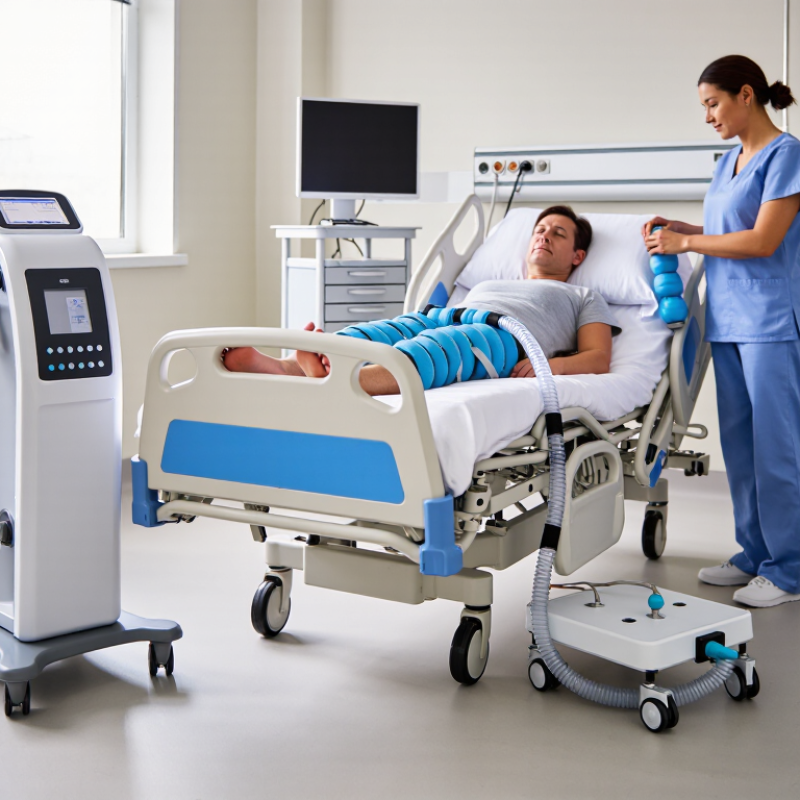
7 Tips for Choosing an Intermittent Pressure Device?

What an Intermittent Pressure Device Is and How It Works

An intermittent pressure device uses inflatable sleeves, cuffs, or garments to apply measured pressure to a limb. Air chambers inflate and release in repeated cycles. This pattern can support fluid movement and improve circulation in selected situations. It does not provide constant compression. The changing pressure feels more like a gentle squeeze than a tight bandage.

The device usually includes an air pump, tubing, and adjustable controls. Some models inflate from the foot upward, while others use separate chambers. This sequence may help move fluid toward the body’s central circulation. A proper fit matters. A loose sleeve can reduce contact, while excessive pressure may cause pain, numbness, or skin irritation. Check the size guide carefully, and inspect the skin after each session.

When choosing an intermittent pressure device, consider the intended body area, pressure range, cycle options, noise, and cleaning requirements. Ask a qualified healthcare professional whether the device suits your condition, especially with reduced sensation, vascular disease, swelling of unknown cause, or recent surgery. I once assumed stronger pressure meant better results. That judgment was too simple. Comfort, correct timing, and consistent use often matter more. Keep records of discomfort, swelling changes, and session length. Stop using the device if unusual pain, color changes, or sudden swelling appears. Simple controls help. Clear instructions help more.

What an Intermittent Pressure Device Is and How It Works

An intermittent pressure device uses an inflatable cuff or sleeve to apply and release external pressure in repeated cycles. The example below shows a representative lower-limb compression cycle. Actual pressure, inflation time, and cycle length vary by device, treatment area, and clinical instructions.

Illustrative cycle: pressure rises during inflation, remains applied briefly, and returns to baseline during release. The values are examples in mmHg and are not a treatment prescription.

Assessing Your Medical Needs and Treatment Goals

Before choosing an intermittent pressure device, clarify the medical problem it must address. Swelling from lymphatic conditions differs from swelling linked to heart, kidney, or vein problems. A licensed clinician should review your diagnosis, circulation, skin condition, and sensation. This matters when numbness, fragile skin, open wounds, or infection is present.

Your treatment goals should be specific. Do you want less ankle swelling, easier walking, improved comfort, or support between clinical visits? Ask whether the device can provide suitable pressure levels, controlled cycles, and a reliable fit. A sleeve that pinches behind the knee may worsen discomfort. A poor seal can also reduce treatment value. Measure the limb carefully, preferably when swelling is most noticeable. Fit is not a minor detail.

Consider seven practical points: medical suitability, pressure range, treatment duration, body-area coverage, ease of use, cleaning, and follow-up support. Bring your medication list and recent symptoms to the assessment. Confirm who will adjust the settings if your skin changes or swelling increases. Stop and seek medical advice if you develop sharp pain, unusual coldness, color changes, or sudden breathlessness. The first plan may not fit real life. A device that works in a clinic can feel difficult beside a busy morning routine. Reassess comfort, skin response, and progress instead of assuming higher pressure means better treatment.

Comparing Pressure Levels, Modes, and Treatment Settings

Choosing an intermittent pressure device starts with matching pressure to the treatment goal, not chasing the highest number. Mild pressure may suit comfort-focused support, while stronger pressure can require clinical supervision. Exact needs depend on circulation, swelling, skin condition, and medical history. A cuff should feel firm, never sharply painful, numb, or cold. Stop immediately. A clinician should confirm suitability, especially with arterial disease, heart failure, infection, or unexplained swelling.

Compare modes carefully. Sequential mode inflates chambers from the lower limb upward, encouraging fluid movement in a planned direction. Some devices use uniform pressure, while others alternate chambers or pause between cycles. The pattern matters. Ask how quickly chambers inflate, how long they hold, and whether the sequence can be adjusted. Short cycles may feel active, while longer holds can feel more intense. No setting suits everyone.

Treatment settings should fit real routines. Check session duration, noise level, washable sleeves, and timers that prevent accidental overuse. Place the sleeve smoothly, without folds around the ankle or knee. Inspect the skin before and after treatment for lasting redness, blistering, or tenderness. Fit matters. Keep a simple log of pressure, mode, duration, and symptoms. It can reveal patterns. I would not treat one comfortable session as proof of safety, because swelling may change from morning to evening. Reassess settings with a healthcare professional when symptoms change, the device feels uneven, or progress stalls.

7 Tips for Choosing an Intermittent Pressure Device? - Comparing Pressure Levels, Modes, and Treatment Settings

Tip What to Compare Common Clinical Setting or Range* Why It Matters Questions to Ask Before Selection
1. Match the pressure range to the treatment goal Adjustable pressure, pressure accuracy, and whether the device displays the selected pressure in mmHg. Many limb systems provide adjustable pressures in approximately the 20–60 mmHg range. The prescribed level depends on the condition, limb, garment, and clinical assessment. Higher pressure is not automatically more effective. Excessive pressure may cause pain, numbness, skin injury, or impaired circulation. What pressure range is appropriate for the intended use, and can a clinician set or limit the maximum pressure?
2. Choose the correct compression mode Sequential, gradient, uniform, or single-chamber inflation. Sequential gradient: chambers inflate from distal to proximal, commonly used when a graduated compression pattern is desired. Uniform or single-chamber: applies similar pressure across the treatment area. The inflation pattern affects comfort, fluid movement, and suitability for different clinical protocols. Does the device inflate from the hand or foot upward, and can the sequence or gradient be changed?
3. Check the number of chambers One, two, four, six, eight, or more independently controlled chambers; chamber overlap; and garment coverage. Multi-chamber systems can create a more graduated sequence. The appropriate number depends on whether treatment covers the foot, lower leg, thigh, arm, or trunk. More chambers may allow finer control, but can also increase setup complexity and cost. Does the garment cover the full treatment area, and are adjacent chambers properly overlapped?
4. Review cycle timing and treatment duration Inflation time, hold time, deflation or release time, cycle frequency, and programmable session length. Treatment protocols vary widely. Sessions may last roughly 20–60 minutes, but the duration and cycle should follow the prescribed protocol rather than a generic default. A suitable release phase can improve comfort and allows the user to monitor skin, sensation, and symptoms between cycles. Can the session stop automatically, and can inflation, hold, and release times be adjusted independently?
5. Verify garment fit and body-area coverage Available sizes, adjustable closures, limb circumference limits, left/right compatibility, and foot, hand, thigh, or trunk coverage. The garment should fit securely without folds, gaps, twisting, or excessive tightness. Sizing must be based on measured limb dimensions, not clothing size alone. Poor fit can create uneven pressure, reduce treatment coverage, and increase the risk of discomfort or skin damage. What measurements are required, and is a different garment available if swelling changes?
6. Prioritize monitoring and safety features Pressure alarms, over-pressure protection, leak detection, emergency release, pause controls, and power-failure behavior. Look for clear pressure readouts, automatic shutoff or pressure limitation, and a quick-release function. These features support safer home and clinical use. A device should be easy to stop if pain, numbness, color change, dizziness, shortness of breath, or unusual swelling occurs. Are there contraindications or precautions for suspected blood clots, severe arterial disease, uncontrolled heart failure, infection, or open wounds?
7. Consider usability, maintenance, and clinical support Controls, display readability, noise, portability, cleaning instructions, replacement garments, service support, and data logging. Choose a system that the intended user can put on correctly, operate consistently, and clean according to the manufacturer’s instructions. Ease of use improves adherence and reduces errors in pressure, timing, or garment placement. Is training available, can settings be locked, and are replacement parts and technical assistance accessible?

*Pressure values and treatment times are general examples, not universal prescriptions. Intermittent pressure therapy should be selected and adjusted according to the user’s diagnosis, circulation status, skin condition, and instructions from a qualified healthcare professional.

Checking Fit, Comfort, Safety, and Ease of Use

7 Tips for Choosing an Intermittent Pressure Device

Checking Fit, Comfort, Safety, and Ease of Use

1

Fit

A suitable intermittent pressure device should fit firmly without leaving deep marks. Measure the limb according to the instructions, not by guesswork. The sleeve should cover the prescribed area and remain secure during walking or bed movement. A loose garment may provide uneven compression. An overly tight one can cause numbness, skin discoloration, or pain. Fit matters more than appearance.

2

Comfort

Comfort affects regular use. Look for soft seams, breathable fabric, quiet operation, and simple pressure controls. The tubing should not twist around the ankle or catch on furniture. Cleaning instructions should be clear. The control unit should show pressure settings, battery status, and alarm messages in readable language. Keep it simple.

3

Safety

Safety requires clinical screening. People with suspected deep-vein thrombosis, severe arterial disease, active skin infection, or certain heart conditions may need another option. Ask a qualified clinician before use. Inspect the skin before and after each session, especially around the heel, ankle, and calf. Stop if swelling, pain, coldness, or unusual color appears.

The CDC estimates that venous thromboembolism affects up to 900,000 people in the United States each year. In the CLOTS 3 randomized trial, intermittent pneumatic compression reduced proximal deep-vein thrombosis from 12.1% to 8.5% among immobile stroke patients.

Evidence is encouraging, but not universal. A perfect checklist still misses individual needs. Recheck fit after swelling changes. That small step is often forgotten.

Evaluating Maintenance, Support, and Overall Value

7 Tips for Choosing an Intermittent Pressure Device

Maintenance should be judged before purchase, not after the first fault. Ask how often the pump, tubing, cuffs, and sensors need inspection. Check whether cleaning instructions are clear and practical. Look for accessible replacement parts and documented service procedures. No device is maintenance-free. A simple maintenance log can prevent missed checks and interrupted treatment.

Support also affects everyday value. Confirm the support team’s working hours, response targets, and repair process. Ask whether staff training is included and whether training materials are easy to revisit. Reliable guidance matters when pressure readings seem unusual or a cuff fits poorly. Clear instructions reduce guesswork. Still, support promises should be tested carefully; written terms are more dependable than friendly sales conversations.

Evaluate the full cost over the device’s expected service life. Include consumables, calibration, repairs, delivery, training, and possible downtime. A lower purchase price may create higher operating costs later. Compare warranty coverage with realistic maintenance needs. Request evidence such as service records, user feedback, and performance documentation. I would also ask what happens when a component becomes unavailable. That question is often overlooked. Overall value means dependable performance, manageable upkeep, responsive support, and safe use by the people operating the device. Payment terms matter less than long-term reliability.