What Are Flexible PCBs and Their Benefits for Modern Electronics?
Flexible Pcbs, or flexible printed circuit boards, represent a significant leap in electronic design. These innovative components can bend and twist, allowing for creative application in various devices. As electronics become more compact and dynamic, flexible PCBs meet the demands of modern technology.
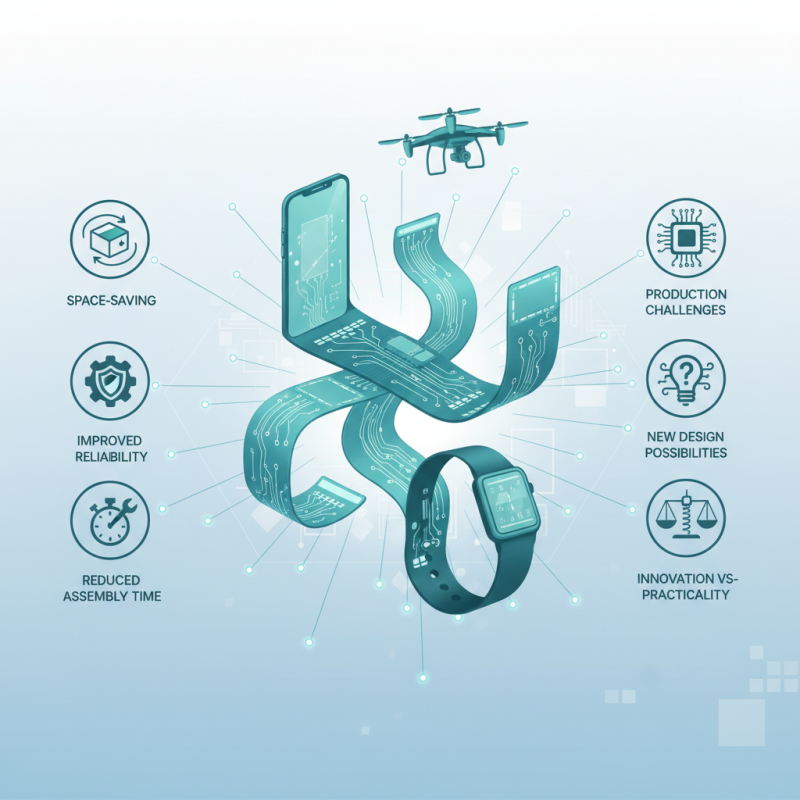
The flexibility of these PCBs introduces unique advantages. They save space, which is crucial in today’s devices like smartphones and wearables. Additionally, they improve reliability and reduce assembly time. However, the production of flexible PCBs can be challenging. Manufacturers often face difficulties in ensuring robustness and durability.
Despite these hurdles, the benefits of flexible PCBs are undeniable. They enable new design possibilities, allowing for lightweight, adaptable products. The ongoing evolution in this field prompts reflection on balancing innovation with practical application. This exploration reveals the transformative impact flexible PCBs have on shaping the future of electronics.
Understanding Flexible PCBs: Definition and Structure
Flexible printed circuit boards (PCBs) are revolutionizing modern electronics. They offer exceptional adaptability, crucial for various applications. These boards are made from flexible substrates, allowing them to bend and twist without breaking. Their lightweight nature also contributes to the overall efficiency of devices.
The structure of flexible PCBs is unique. They typically consist of three layers: a conductive layer, a flexible substrate, and a protective layer. The conductive layer is often made from copper, while the substrate may be materials like polyimide. This combination results in a thin, durable circuit that can fit into tight spaces. Yet, the manufacturing process can be complex and sometimes prone to errors. Ensuring consistent quality can be a challenge.
Focusing on design, the layout needs careful planning. Circuit paths must be optimized to prevent failures. It's easy to overlook certain details, but these can lead to issues down the line. Engineers must find a balance between flexibility and performance. This can be a daunting task, yet pushes innovation in electronics.
Benefits of Flexible PCBs in Modern Electronics
Key Benefits of Flexible PCBs in Modern Electronics
Flexible PCBs, or printed circuit boards, are gaining traction in modern electronics. Their main edge lies in versatility. Unlike traditional rigid boards, flexible PCBs fit snugly into tight spaces. This adaptability is crucial for devices like smartphones and wearables. According to a recent industry report, the flexible PCB market is expected to grow by 10% annually, reaching $30 billion by 2025. This growth is primarily driven by the demand for miniaturization in electronic devices.
Another notable advantage is reduced weight. Lightweight designs lead to easier integration and better performance. Many manufacturers report that flexible PCBs can cut weight by as much as 70% compared to their rigid counterparts. This transition also allows for innovative designs. For instance, devices can now have curved shapes. Despite these benefits, challenges remain. The manufacturing process is complex and often incurs higher costs. Quality control is another concern. Small defects can lead to significant failures in sensitive electronics. This reality prompts the industry to rethink and innovate continuously, ensuring that the benefits outweigh the drawbacks in future applications.
Applications of Flexible PCBs in Various Industries
Flexible printed circuits (PCBs) are becoming increasingly important in various industries. Their adaptability allows them to fit into tight spaces that traditional rigid PCBs cannot. According to a 2022 market report, the flexible PCB market is projected to grow from $18.6 billion in 2021 to $34.56 billion by 2026. This growth reflects their rising demand in sectors like automotive, healthcare, and consumer electronics.
In the automotive industry, flexible PCBs are used in advanced driver-assistance systems (ADAS) and infotainment systems. These circuits help in reducing weight while improving functionality. For instance, they can enable high-density interconnections in confined spaces. In the healthcare sector, flexible PCBs play a crucial role in wearable devices and medical sensors. Their lightweight design promotes comfort for patients. A 2023 study mentioned that the adoption of flexible electronics in medical applications could increase by 30% within five years.
Consumer electronics is another major application area. Devices like smartphones and tablets use flexible PCBs to enhance durability and performance. These circuits can bend and twist, providing robust solutions in compact designs. However, the shift to flexible PCBs is not without challenges. Issues like manufacturing costs and assembly complexities need consideration. The industry must navigate these hurdles to fully leverage the potential of flexible PCBs.
Comparison of Flexible PCBs and Traditional Rigid PCBs
Flexible printed circuit boards (PCBs) are revolutionizing modern electronics. Unlike traditional rigid PCBs, they can bend and twist. This flexibility allows for compact designs. Such boards fit seamlessly into tighter spaces. This is crucial for smartphones and wearable technology.
In a traditional rigid PCB, the materials are fixed. This limits design options. They can be bulky. Devices often require intricate stacking to fit components. Flexible PCBs eliminate this issue. They are lighter and thinner. However, they can be more costly to manufacture.
The manufacturing process for flexible PCBs is complex. It requires careful handling and precise techniques. There are risks involved. Any mistake can lead to wasted materials. Engineers must be meticulous when designing these boards. The benefits, though, can outweigh the drawbacks in the right applications. In many cases, the performance gains justify the effort.
Challenges and Limitations of Flexible PCB Technology
Flexible printed circuit boards (PCBs) present a transformative solution in modern electronics. However, they also come with challenges. One major limitation is durability. Flexible PCBs need to withstand bending and twisting. Over time, these stresses can cause fatigue. This leads to potential failures. The reliability of connections is crucial for proper functionality.
Another challenge lies in manufacturing complexity. Producing flexible PCBs requires specialized techniques. They are typically more expensive than traditional rigid PCBs. The fabrication process can also take longer. Small design changes may complicate production, consuming resources.
Tip: When designing flexible PCBs, test prototypes thoroughly. Early identification of flaws can save costs later.
Environmental factors can also impact performance. Humidity and extreme temperatures can affect materials. Selecting the right substrates is vital for longevity. Designers should consider these factors in their decisions.
Tip: Collaborate with engineers who specialize in flexible technologies. Their insights can guide better design choices and practices.