Choosing the right Truck Engine in 2026 starts with the work it must do every day. A regional delivery truck faces different demands from a heavy-haul tractor or a vehicle that spends hours idling at a job site. Payload, terrain, annual mileage, stop-and-go traffic, and local climate all affect engine performance and operating costs. Match the engine to actual routes, not just a brochure’s best-case figures.
Compare power and torque with the truck’s intended load, then consider fuel use, maintenance intervals, warranty coverage, and access to trained service technicians. Ask dealers for specifications that apply to the exact truck configuration. If possible, review operating records from vehicles doing similar work. Numbers can mislead. Test conditions may differ from your routes, and even experienced buyers can underestimate the cost of downtime. That matters.
A sound choice balances capability with predictable ownership costs. Consider how newer engine systems fit your maintenance resources, fuel availability, and planned years of service. Check manufacturer documentation and consult a qualified fleet technician before deciding. There is no single best engine for every operation, and a small mismatch can become expensive over time. Some details will remain uncertain until the truck is working in real conditions. Be honest about that uncertainty, compare the trade-offs, and choose an engine supported by reliable data—not assumptions alone.
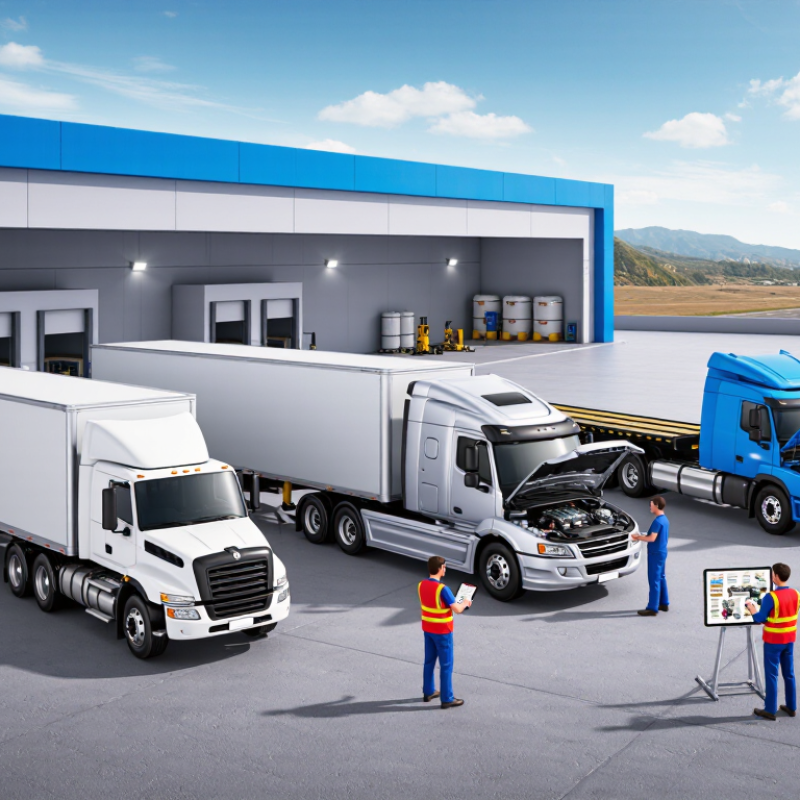
Before comparing horsepower, map the truck’s actual work. Record typical payload, trailer type, daily distance, stop frequency, and time spent idling. Note steep grades, high temperatures, and cold starts. These details shape engine demand more than a peak-power figure does. A route with repeated climbs needs sustained pulling power and adequate cooling; flat, steady highway work rewards a different balance.
The American Transportation Research Institute’s 2024 operational-cost report puts average trucking costs at $2.27 per mile in 2023. That figure makes route assumptions expensive: an engine poorly matched to daily duty can affect fuel use, maintenance, and time on the road. The U.S. Department of Energy’s Alternative Fuels Data Center estimates that a heavy-duty truck can burn about 0.8 gallons of fuel per hour while idling. So include loading queues, sleeper stops, and winter warm-ups in the workload—not just miles.
Compare candidate engines using the same route, payload, and annual mileage. Ask for fuel-economy estimates tied to comparable duty cycles, then check service access and cooling requirements. A short urban route with frequent starts may favor different gearing and response than long-haul work. The uncomfortable part: route data is often incomplete. Track a representative week before deciding; one unusually easy week can mislead.

Choosing a truck engine starts with its daily route, payload, and access to fuel or charging. Diesel suits sustained highway work and heavy loads, where range and established refueling matter. Gasoline can make sense for lighter jobs, shorter routes, and fleets that value straightforward local servicing. Neither is automatically cheaper; fuel use, maintenance, idle time, and resale value shape ownership costs.
Hybrids pair an engine with electric drive, which can help on stop-and-go routes through regenerative braking. Their benefit depends on the duty cycle, not just the badge on the specification sheet. Battery-electric trucks fit predictable routes with reliable depot charging. The International Energy Agency’s Global EV Outlook 2024 reports that
Adoption is growing, but charging access still deserves a close look. A 90-mile delivery loop with overnight charging is a different decision from a long-haul route with uncertain stops. There is no perfect answer.
Compare real route logs, payloads, local energy prices, and service availability before choosing; estimates can miss winter range loss or long idle periods.
Choosing a truck engine in 2026 starts with the work it will actually do. List your typical cargo weight, trailer weight, routes, and daily distance. Then compare engine power and torque with the vehicle’s published ratings. Horsepower helps maintain speed, while torque supports pulling and moving heavy loads, especially at low speeds. Gearing matters, too; strong torque cannot make every setup suitable for every job. A short test drive without a load can be misleading.
Tips: Check payload before choosing an engine. Subtract the truck’s curb weight from its gross vehicle weight rating, then account for passengers, tools, and added equipment. Verify the figures in the vehicle’s specifications. Leave a practical margin.
For efficiency, consider your route rather than relying on a single fuel-economy figure. Frequent stops, steep grades, high speeds, and heavy towing can change fuel use substantially. Compare estimates for similar configurations, and ask how the truck handles your expected load on familiar roads. One detail is easy to overlook: a more powerful engine may add weight or cost, while an undersized option may work harder under load. Neither choice is automatically best. Recheck your assumptions if your cargo or work routine changes.
In 2026, compare truck engines by total operating cost, not purchase price alone. A lower upfront cost can be offset by higher fuel use or more frequent service. Ask for maintenance intervals and typical parts availability for your duty cycle. A truck running short urban routes faces different demands from one covering long highway miles. That difference matters.
Estimate fuel costs using your actual routes, expected payload, and annual mileage. Check that suitable fuel is reliably available near your depots and along regular routes. A fuel option that looks efficient on paper may create delays if nearby stations lack it. Cold-weather performance and storage requirements deserve attention, too. Small details count.
Maintenance access can affect revenue as much as repair bills. Ask local service providers about diagnostic capability, appointment lead times, and common repair turnaround times. I would treat any projected savings as estimates, not promises; real workloads are rarely tidy. For 2026 regulations, confirm applicable emissions, inspection, and operating requirements for the truck’s location and use. Requirements can vary by jurisdiction and vehicle class, so verify current guidance with the relevant transport authority before ordering. Ensure the engine configuration meets your needs without paying for features your routes will not use.
| Powertrain | Typical Purchase-Cost Profile | Maintenance Considerations | Fuel or Energy Access | Best-Fit Duty Cycle | 2026 Regulatory Considerations |
|---|---|---|---|---|---|
| Diesel | Often a lower upfront cost than battery-electric or hydrogen options. Compare the total cost of ownership, including fuel, emissions-system service, and any applicable fees. | Requires routine engine and oil service. Emissions-control equipment, including diesel particulate filters and selective catalytic reduction systems, may require additional upkeep. | Generally the broadest fueling availability for heavy-duty trucking. Confirm access to the required diesel grade and any low-carbon fuel options along planned routes. | Long-distance, high-mileage, heavy-load work, especially where routes or schedules make charging difficult. | Must meet the emissions rules that apply where the truck is registered and operated. Requirements can vary by vehicle class, model year, and location; check current local rules and inspection requirements. |
| Natural gas (CNG or LNG) | Vehicle and fueling-system costs vary by configuration. An on-site fueling station can add substantial project cost, so assess fleet size and expected utilization. | Still requires scheduled engine service. High-pressure fuel systems and specialized components require trained technicians and appropriate safety procedures. | Public access is more limited than diesel and varies significantly by region. LNG and CNG use different storage and refueling equipment; verify station compatibility on every route. | Predictable regional routes, depot-based fleets, and operations with dependable access to compatible stations. | Tailpipe emissions and certification depend on the specific engine and vehicle. Do not assume natural gas is automatically exempt from local emissions, permitting, or fleet rules. |
| Battery-electric | Usually a higher upfront vehicle cost than a comparable conventional truck. Analyze charging equipment, electrical upgrades, incentives, energy rates, and expected annual mileage. | Fewer routine powertrain service items than an internal-combustion engine, but battery condition, thermal systems, high-voltage components, and charging equipment need qualified support. | Depends on suitable depot or public charging. Check grid capacity, installation lead time, charger availability, charging power, and whether the vehicle can recharge within its operating schedule. | Predictable routes with regular return-to-base periods, suitable payload requirements, and access to reliable charging. | Produces no tailpipe emissions while operating. Eligibility for incentives, access benefits, and zero-emission requirements depends on the jurisdiction and may change; verify current program terms. |
| Hydrogen fuel cell | Vehicle and fueling costs can be high, and commercial availability is limited compared with established powertrains. Obtain firm local quotes before comparing lifetime costs. | Requires specialized fuel-cell and high-pressure hydrogen service capability. Confirm technician availability, parts support, and service arrangements before purchase. | Public hydrogen fueling remains limited and location-dependent. Confirm that stations are operational, accessible to heavy trucks, and supplied reliably along the intended route. | Potentially suited to demanding routes where available refueling infrastructure and vehicle support meet fleet needs. | Has no tailpipe carbon dioxide emissions during vehicle operation, but lifecycle emissions depend on how hydrogen is produced. Applicable incentives and vehicle rules vary by location. |
| Gasoline | Can be a practical lower-cost choice for some light- and medium-duty applications. Compare fuel use and payload needs over the truck’s full working life. | Uses familiar internal-combustion service practices. Maintenance needs depend on the vehicle and duty cycle; frequent heavy loads can affect operating costs. | Widely available in many regions, though route-specific fuel access and local restrictions should still be checked. | Light- and medium-duty work, shorter routes, and applications that do not require the sustained heavy-load capability of a heavy-duty diesel truck. | Must comply with emissions and inspection requirements for its vehicle class and location. Verify applicable rules before purchase, particularly for urban or restricted-access areas. |
Decision note: Purchase prices, maintenance costs, fuel access, and regulations vary by truck class, route, region, and fleet size. Before choosing, compare total cost of ownership over the expected service life and confirm 2026 requirements with the relevant transportation and environmental authorities.
Match engine specifications to the truck’s actual work, not its maximum advertised output. A regional delivery truck faces repeated stops, while a loaded tractor climbing long grades needs sustained torque. The difference affects gearing, fuel use, and engine wear. ATRI’s 2024 Operational Costs of Trucking report estimated average U.S. trucking costs at $2.27 per mile in 2023. Fuel was one component, so an engine choice should be assessed against route, payload, and annual mileage—not horsepower alone. That matters.
NREL’s Fleet DNA data documents how commercial vehicle duty cycles vary by vocation, including speed, idling, and stop frequency. Use comparable operating data when available. For a heavy load or steep route, compare the engine’s torque curve at working speeds, transmission ratios, and cooling capacity. For urban work, examine low-speed response, idle time, and frequent starts. Cold starts count. Match rated power to the truck’s governed speed and typical gross weight, then check axle ratio and expected fuel economy as a complete system. A larger engine can add weight and fuel demand without improving a lightly loaded route. I would still verify assumptions with real fleet logs; published averages can hide a very different local duty cycle.