How to Choose the Best Commercial EV Charger for Your Business?
In the rapidly evolving world of electric vehicles, choosing the right Commercial EV Charger is crucial for businesses. Expert analyst Sarah Johnson notes, “Selecting an effective charger can significantly enhance customer satisfaction.” With the growing demand for electric vehicle infrastructure, the right choice can set your business apart.
Understanding the needs of your clientele is vital. Consider the location and type of vehicles you expect to see. You may want fast chargers for busy areas. A robust charging solution attracts more customers. However, selecting a charger isn't as simple as it seems; it often requires understanding various specifications and future requirements.
Investing in a Commercial EV Charger may seem straightforward, but many businesses overlook essential factors. Some chargers may not meet high-traffic demands, leading to long wait times. Reflect on your choices. Is the charger user-friendly? Is it compatible with various EV models? These details matter for your success. The right solution benefits not just your business, but also the community.
Types of Commercial EV Chargers: Understanding Your Options
When selecting a commercial EV charger, understanding the types available is essential. Level 1 chargers are basic. They plug into standard outlets and charge slowly. This option is suitable for overnight charging at workplaces. However, it may not meet the needs of high-demand businesses. Level 2 chargers offer faster charging and are ideal for commercial properties. They require a 240-volt supply, making them more efficient for frequent use. The installation might be more complex and costly, but the benefits can outweigh these issues.
DC fast chargers represent the latest technology. They charge vehicles rapidly, making them perfect for busy public locations. These chargers need more substantial electric supply and space. Although their initial installation can be a significant investment, they cater to the growing demand for quick turnaround times. Take time to assess your space and energy capacity. You might find that some options are impractical for your particular needs. Balancing speed and cost can be challenging, but understanding your options helps clarify what might work best for your business.
How to Choose the Best Commercial EV Charger for Your Business? - Types of Commercial EV Chargers: Understanding Your Options
| Charger Type |
Charging Speed |
Installation Cost |
Ideal Applications |
Number of Ports |
| Level 2 Charger |
6.6 kW - 19.2 kW |
$1,000 - $5,000 |
Workplaces, Retail |
1 - 2 |
| DC Fast Charger |
50 kW - 350 kW |
$10,000 - $100,000 |
High Traffic Areas, Fleet |
1 - 4 |
| Level 1 Charger |
1.2 kW - 1.4 kW |
$300 - $1,000 |
Home Use, Low-traffic Business |
1 |
| Mobile Charger |
Variable |
$500 - $2,500 |
Remote Locations, Events |
1 |
Key Factors to Consider When Choosing an EV Charger
When selecting an EV charger for your business, key factors come into play. Understanding charging speed is crucial. Level 2 chargers are popular, providing up to 25 miles of range per hour. According to a recent industry report, businesses can reduce charging times by 50% with Level 3 chargers, which offer rapid charging capabilities. However, the initial cost is significantly higher. Investing in faster chargers can benefit businesses with high traffic.
Another important factor is the charger’s compatibility with various EV models. A report by the International Energy Agency noted that compatibility can affect customer satisfaction. Chargers should support multiple connector types to accommodate all users. This flexibility enhances customer experience and may attract more electric vehicle owners to your location.
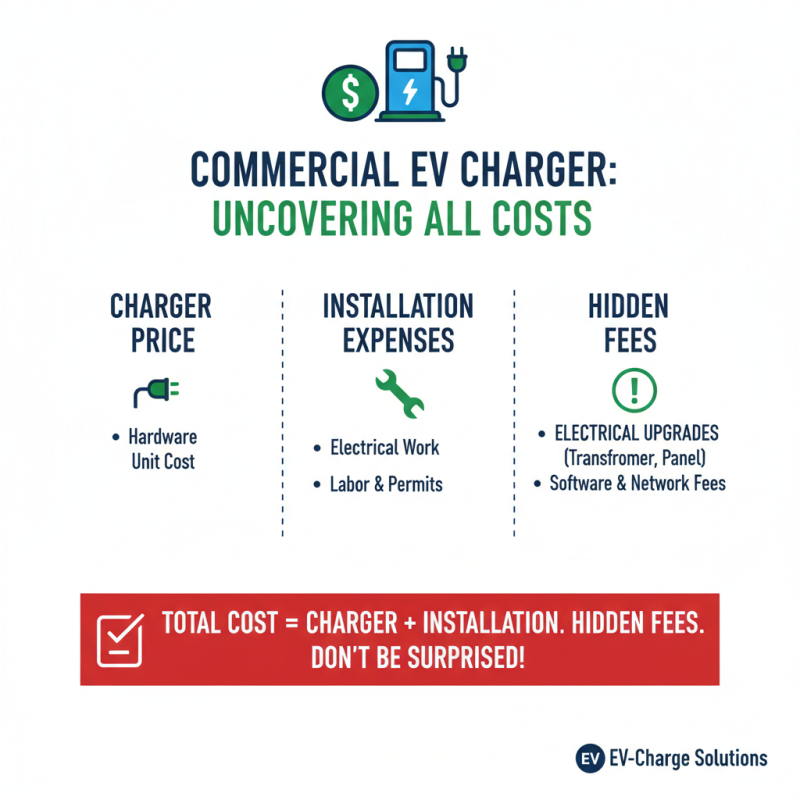
Installation costs also need consideration. A study from the Electric Power Research Institute found that infrastructure upgrades could add 20% to initial expenses. Inadequate power supply at your location might lead to delays or increased costs. Analyze your site’s current electrical capacity before making decisions. Without proper planning, businesses may face interruptions during installation, impacting daily operations and customer service.
Assessing Power Output Needs for Your Business's EVs
When assessing power output needs for your business's electric vehicles (EVs), understanding the basic requirements is crucial. According to industry reports, most commercial EVs require chargers that can deliver between 7 kW to 22 kW. This range caters to different usage patterns, from overnight charging to quick top-ups throughout the day. Your business goals will directly impact the charger selection.
For instance, businesses that rely on heavy fleet operations may need Level 2 chargers for faster turnaround times. In contrast, companies with fewer vehicles can manage with lower-powered options. However, it's essential to recognize that not every location will have the necessary electrical infrastructure to support high-output charging stations. Conducting a thorough site assessment is vital.
The costs associated with upgrading electrical systems can often outpace initial charger investments.
Data indicates that around 40% of businesses face obstacles due to inadequate power supply. Ignoring these limitations could result in operational inefficiencies. Exploring utility incentives or alternative energy sources like solar can alleviate some concerns. Ultimately, refining your power output choices is not just about immediate needs—thinking long-term is essential for sustainable growth.
Installation and Maintenance Considerations for Commercial Chargers
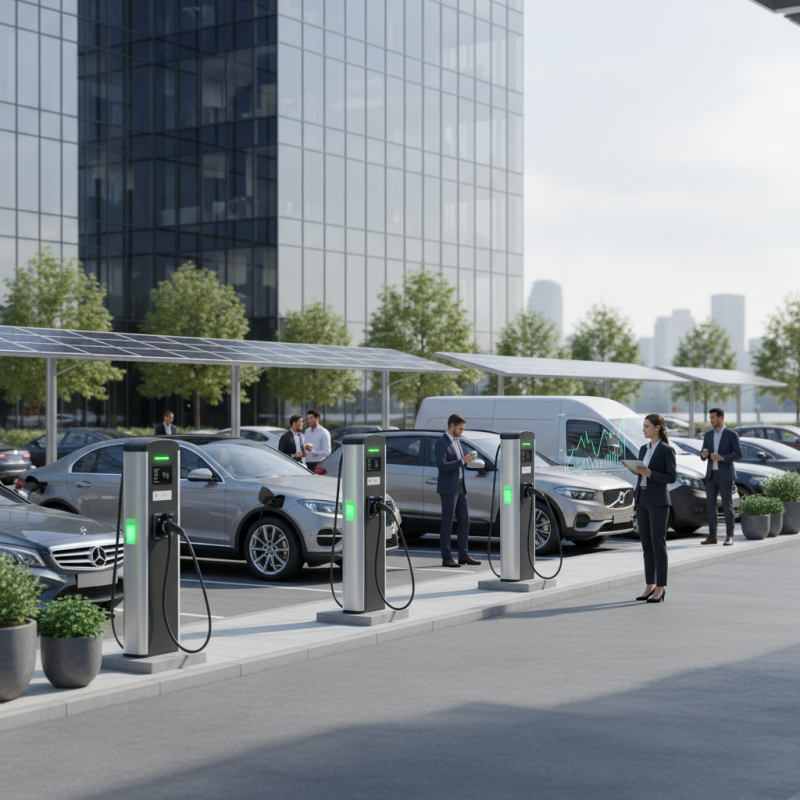
When considering the installation of commercial EV chargers, various factors must be evaluated. Proper planning can ensure that the investment pays off. According to a recent industry report, 68% of businesses reported increased foot traffic after installing EV chargers. Therefore, the strategic placement of these chargers is crucial. They should be accessible, visible, and ideally located near amenities.
Maintenance is another key aspect. Regular checks can prevent costly repairs down the line. Many chargers require software updates, which can be overlooked. Neglecting updates may lead to compatibility issues. Data shows that 20% of chargers installed become non-functional due to lack of maintenance.
Tips: Keep a maintenance schedule. Train staff on proper use and troubleshooting. Engage with users to understand their experiences and identify common problems. Listening to feedback helps in refining the service offered. Regular maintenance keeps user satisfaction high.
Commercial EV Charger Types and Their Installation Costs